
Quick answer: A photorealistic companion image cannot by itself prove whether a real person’s likeness or training data was involved. Separate four claims: whether the character is fictional, how the displayed file was produced, whether source material was licensed or consented to, and whether the file carries provenance metadata. A missing reverse-image match proves none of them. AISoul describes its companions as AI characters and matches chat media from pre-generated galleries rather than live camera feeds; that product disclosure does not independently prove the origin or licensing of every underlying training image.
Are AI Girlfriend Photos Real People? How to Tell What You're Actually Seeing
Are AI girlfriend photos real people? Separate character, generation, licensing, and provenance claims, then learn what visual checks cannot prove.
Meet the companions
Choose your AI girlfriend
Click the button to view the full character lineup.
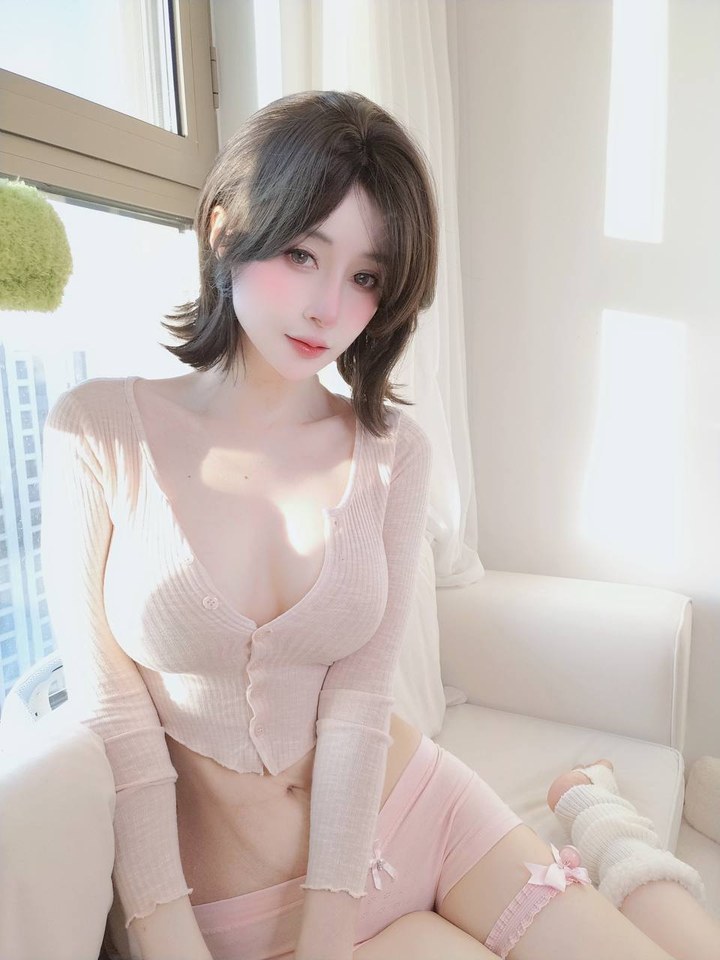
Hana Fujimoto, 23
Lifestyle Creator
Tokyo-born creator with a pixie cut and pastel-pink moods — cozy bedroom selfies and chat that starts shy then melts.
Start chatting
Elise Chen, 24
Pilates Instructor
Taipei-born pilates coach with long dark hair and window-light confidence — toned curves and DMs that go direct after class.
Start chatting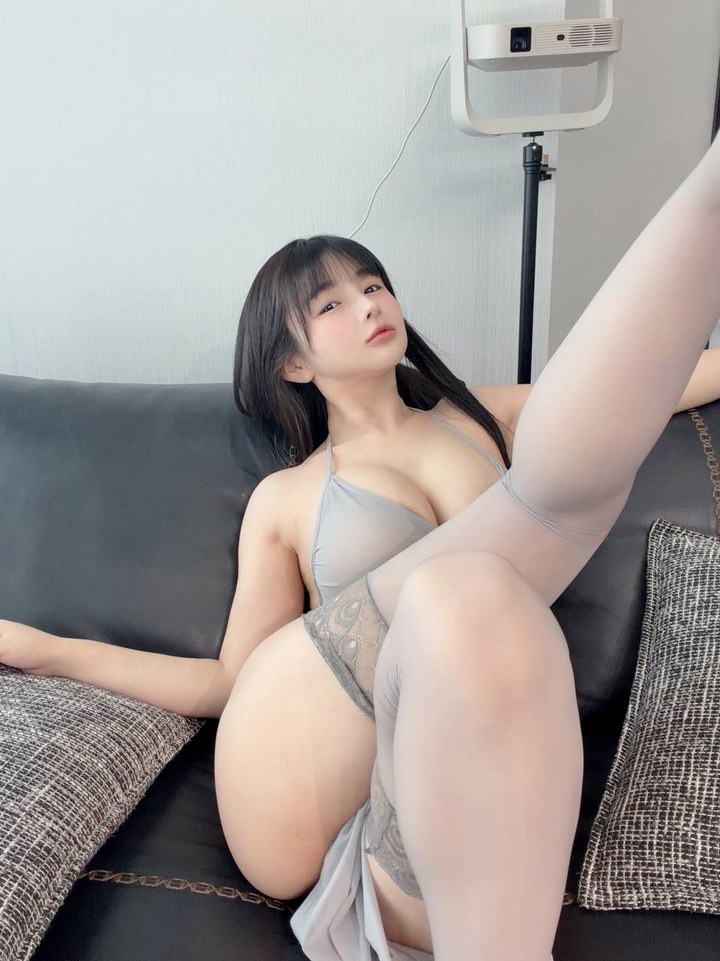
Sora Kim, 22
Fashion Blogger
Seoul fashion blogger who turns her living room into a private shoot — stockings, lace, and couch poses meant only for you.
Start chatting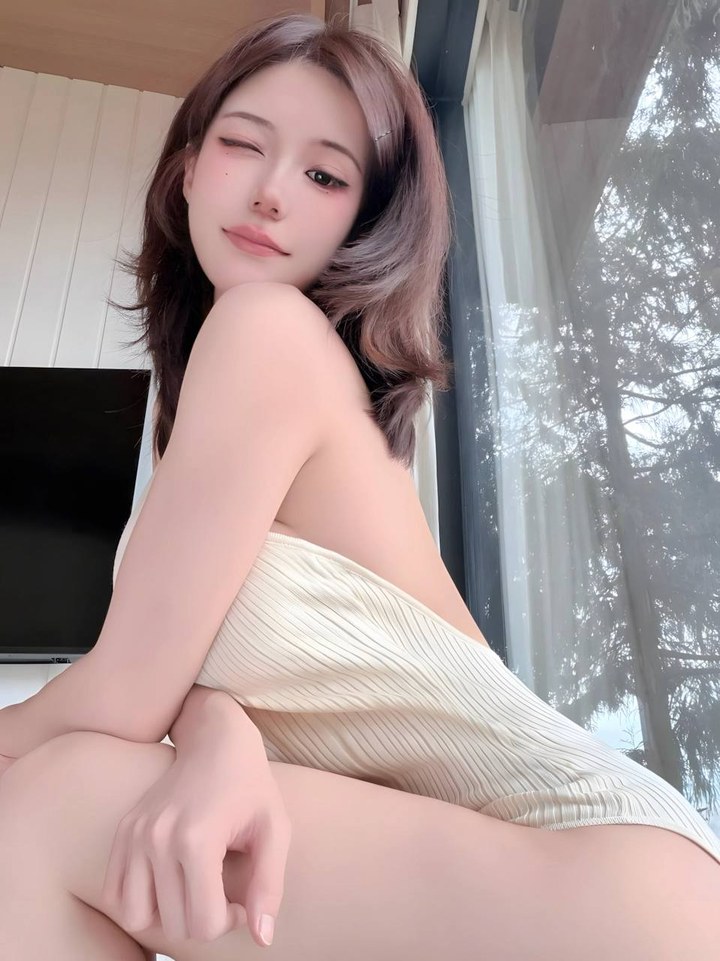
Rosie Hart, 24
Florist
Rose-obsessed florist who turns bath nights into rituals — petals, steam, and shy smiles that melt fast.
Start chatting
Chloe Mercer, 23
Hotel Concierge
Auburn-haired concierge with a mischievous maid fantasy — stockings, vinyl, and couch poses meant only for you.
Start chatting
Emma Brooks, 22
Interior Stylist
Cozy stylist with wavy brown hair and red-ribbon moods — mirror selfies and living-room heat after sunset.
Start chatting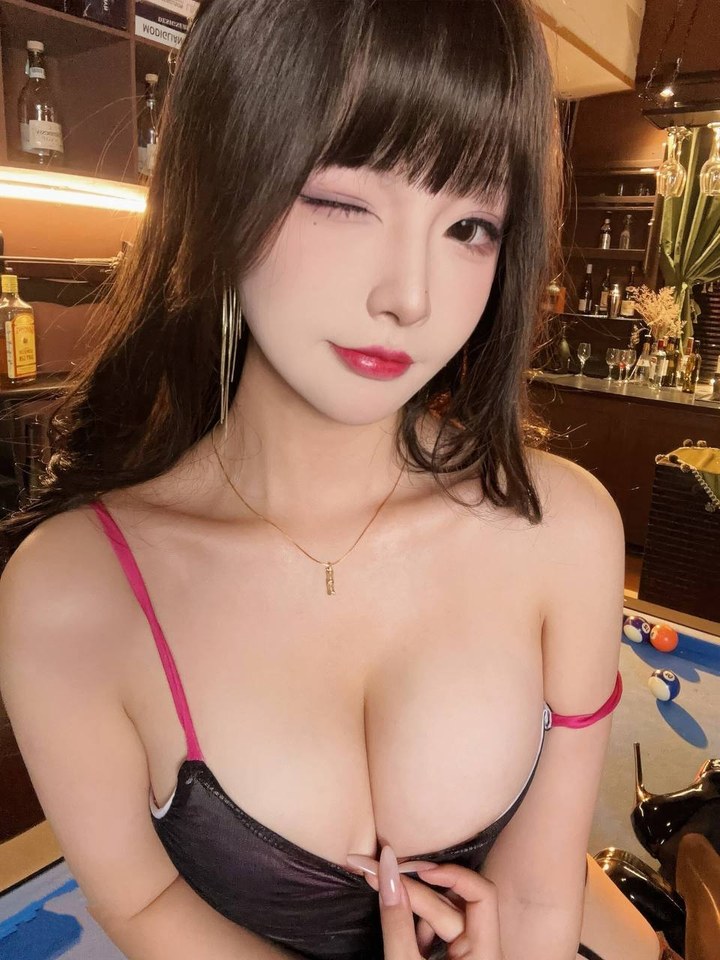
Jade Monroe, 26
Cocktail Bartender
After-hours bartender with pool-table charisma — stockings, dim lights, and a smirk that dares him to stay.
Start chatting
Scarlett Voss, 25
Luxury Car Vlogger
Luxury car vlogger with handcuff fantasies and white-lace nights — adrenaline and intimacy in one breath.
Start chattingPublisher disclosure: AISoul is made by this site’s publisher. AISoul-specific details below are vendor statements from the named official pages, not independent product-test results.
What the four claims actually mean
Every AI girlfriend photo rests on four separate statements. Confusing them leads to false certainty.
| Claim | What it asserts | What visual inspection or reverse search can prove | What it cannot prove |
|---|---|---|---|
| Character claim | The companion is a fictional identity | Nothing | That the depicted face belongs to a living human |
| Media-generation claim | The file was created by an AI system | Sometimes (via metadata or provider disclosure) | That the face is not based on a real person’s likeness |
| Licensed-source claim | The likeness or style comes from authorized material | Nothing by eye | Consent or licensing status of any real-person training data |
| File-provenance claim | The image carries verifiable history (e.g. C2PA credentials) | Presence or absence of embedded Content Credentials | Whether the image is human-made or AI-generated when credentials are missing |
Decision table: How to read common signals
- Reverse-image match found → Image was previously published; investigate source.
- No match → Image is new or unindexed; does not confirm synthetic or real.
- Face changes between requests → Consistent with gallery selection or generation variability, but does not identify the pipeline or operator.
- Consistent face across months → Consistent with a stable character asset, but not proof of a single human or a particular generation method.
- No Content Credentials → Common today; absence proves nothing per C2PA specification.
This matrix keeps the four claims distinct so you can ask precise follow-up questions instead of guessing from pixels.
Observable behavior on major AI companion platforms
Different services handle images differently. The distinction matters for expectations.
Pre-generated character galleries vs live generation
AISoul matches chat media from pre-generated character sets and shared galleries. Its system is not a real-time prompt-to-image renderer and does not guarantee a brand-new unique file, exact outfit, pose, location, or identical face for every request. This verified example should not be generalized to every companion app. (Source: AISoul product behavior, checked 2026-09-03)
This design constrains requests to an existing media pool and means the displayed file may have been prepared before the specific message arrived. The public page does not provide comparative cost, latency, or consistency measurements, so none are inferred here.
What AISoul explicitly offers
AISoul is an adults-only AI girlfriend and companion app. The free tier currently allows 50 chat messages and 5 photos per Beijing-time calendar day, 2 lifetime clips, and 1 companion slot. Signup requires only an email and does not need a credit card.
Paid access is sold as standard fixed windows: 7-Day $4.99, 30-Day $8.99, 90-Day $19.99, and Annual $49.99. All are one-time purchases with no auto-renewal. Unlimited photos and videos and an 18+ media unlock are listed for paid plans. A card-exclusive 2-Month $12.99 offer was also displayed on the checked date. (Source: AISoul pricing page, checked 2026-09-03)
These facts describe the product as it exists today. Pricing and limits can change; always verify on the official page before purchasing.
Official facts, observable behavior, editorial inferences, and unknowns
Official fact (AISoul pricing, 2026-09-03): Access is sold in non-recurring blocks. The service does not auto-renew subscriptions.
Vendor-documented product behavior (AISoul product page, 2026-09-03): Media is pulled from character galleries rather than generated on demand for every request. AISoul does not guarantee an identical face, exact outfit, pose, or location for every request.
Editorial inference: Visual continuity can make a fictional character easier to recognize. It is not evidence of a human on the other side, and this page did not measure engagement or memory effects.
Unknowns: Exact training data sources, whether any real likenesses were licensed, and the full list of external AI providers used for chat or media. The public privacy policy does not name every provider or promise a fixed deletion timeline.
How to ask the provider the right questions
A single vague question produces vague answers. Use this diagnostic template instead. Send it exactly as written or adapt the wording while keeping the four claims separate.
Support question template:
1. Is this character a completely fictional identity created for the service?
2. Are the photos and video clips generated by AI or selected from pre-made galleries?
3. Were any real people’s likenesses licensed for this character’s appearance?
4. Does the image file contain Content Credentials or other provenance metadata, and if not, why?
A clear answer addresses each point without redirecting solely to terms of service. If the reply is evasive, that itself is useful information.
For privacy-related questions, consult the official policy directly rather than assuming guarantees not stated there.
Common misconceptions about AI girlfriend photos
- Misconception: No reverse-image results means the person is fictional.
Reality: Newly generated images simply have no prior online presence. Absence proves nothing.
- Misconception: Perfect anatomy and realistic lighting prove a real photograph.
Reality: Generated images can produce plausible anatomy, reflections, and skin texture; appearance alone is not reliable provenance evidence.
- Misconception: A changing face across messages means multiple real women are taking turns.
Reality: It could indicate gallery sampling, variable generation parameters, or another undocumented media pipeline. The image alone cannot identify the cause.
- Misconception: Requesting a “proof selfie” (holding fingers, writing a name, current timestamp) verifies a human.
Reality: These are simply more specific prompts an image generator can fulfill.
Adjacent tasks and where to handle them
This page focuses on understanding whether images represent real people.
- For choosing an AI companion platform, see the AI girlfriend overview.
- For technical details on how image features work inside chats, visit AI girlfriend with images.
- For full account, billing, and data-handling rules, read the official pricing page and privacy policy.
FAQ
Are AI girlfriend photos always generated?
Not always. A service may select a file from a pre-generated gallery or generate media on demand. For AISoul, the company describes the experience as fictional AI characters rather than live camera feeds; that does not establish how every other app sources its media.
Does no reverse-image match prove the person is fictional?
No. A brand-new synthetic image or a never-published real photo will both return no matches. The result is ambiguous.
Can a generated image resemble a real person?
Yes. Modern systems can produce faces that look like specific individuals. Resemblance alone does not prove the image was taken from or with consent of that person.
What do Content Credentials prove?
They record the source and editing history of media when present. According to the C2PA Specifications 2.2, missing credentials do not by themselves prove an image is human-made or AI-generated. (Checked 2026-09-03)
What should I ask the provider?
Ask the four separated questions listed in the support template above. A responsible service answers each point directly.
Does AISoul use real people for its companion photos?
AISoul states that its companions are AI characters and that images and clips are gallery-matched rather than live camera feeds. This page did not independently inspect source assets or training data, so it cannot prove whether any underlying likeness or training image came from a real person. (Official product pages checked 2026-09-03)
How this page was researched
We reviewed official AISoul documentation for pricing tiers, daily limits, media behavior, and privacy statements on 2026-09-03. We cross-checked the C2PA specification and NIST AI Risk Management Framework on the same date. No hands-on product testing, user vignettes, or undisclosed comparisons were used. All claims are tied to the sources below or marked as editorial inference or unknown.
Sources consulted
- AISoul pricing, https://www.aisoul.work/pricing.html (checked 2026-09-03)
- AISoul product behavior, https://www.aisoul.work/ai-girlfriend-with-images (checked 2026-09-03)
- AISoul Privacy Policy, https://www.aisoul.work/privacy.html (checked 2026-09-03)
- C2PA Specifications 2.2, https://c2pa.org/specifications/specifications/2.2/index.html (checked 2026-09-03)
- NIST AI Risk Management Framework, https://www.nist.gov/itl/ai-risk-management-framework (checked 2026-09-03)
Limitations: This page cannot authenticate any specific image, determine consent or licensing of training data, identify the exact model used, or guarantee future product changes. Visual inspection and reverse search have inherent limits; only the service provider holds definitive records.
AISoul publisher disclosure: This article is published by the team behind AISoul. We aim to describe our own product behavior and policies accurately while maintaining the same standards we apply to external services. Where our product is mentioned, facts are taken from the live pages on the date shown.
Related AISoul guides
Related AISoul product pages for this topic.