
Quick answer: AI girlfriend images may be generated from a character description, prompt, recent chat context, and platform settings, or selected from a more constrained character-media system. Delivery can happen inside the chat or in a separate gallery. A file is not proof of a real person, perfect identity consistency, or a guaranteed new generation. Test the same character across several controlled requests and verify media limits, moderation, storage, and price in the current account.
How AI Girlfriend Images Work (2026)
How AI Girlfriend Images Work (2026). AISoul research for adults.
Meet the companions
Choose your AI girlfriend
Click the button to view the full character lineup.
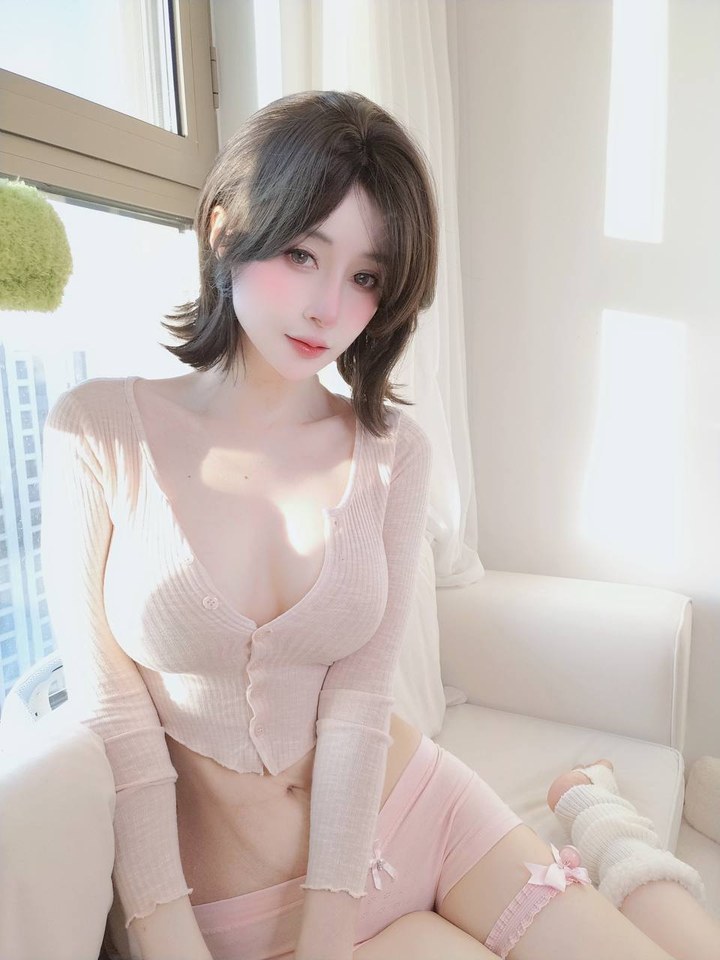
Hana Fujimoto, 23
Lifestyle Creator
Tokyo-born creator with a pixie cut and pastel-pink moods — cozy bedroom selfies and chat that starts shy then melts.
Start chatting
Elise Chen, 24
Pilates Instructor
Taipei-born pilates coach with long dark hair and window-light confidence — toned curves and DMs that go direct after class.
Start chatting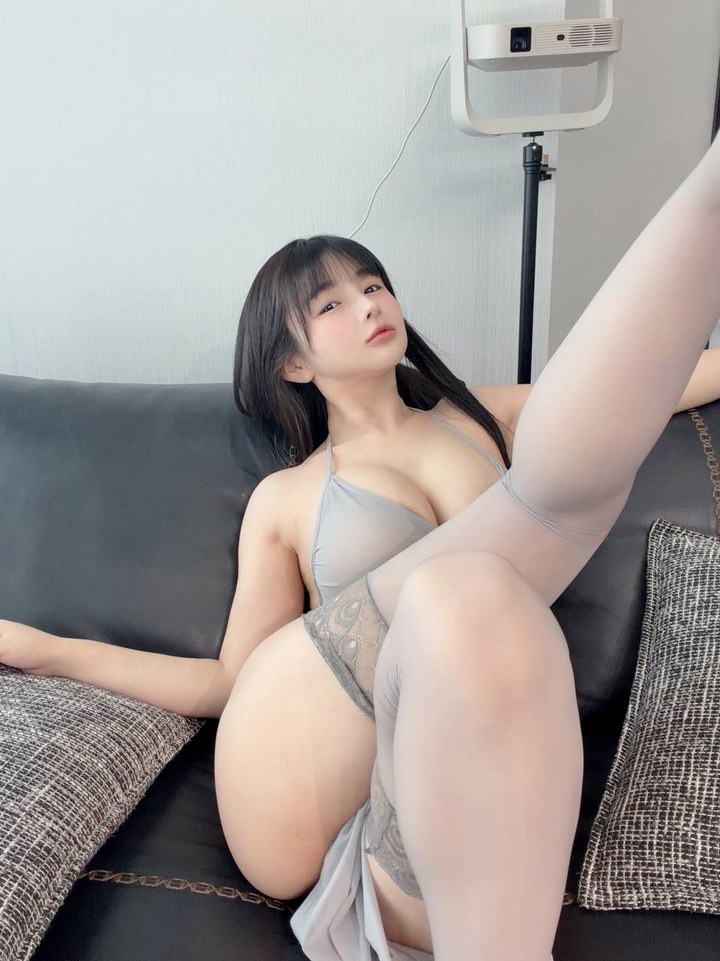
Sora Kim, 22
Fashion Blogger
Seoul fashion blogger who turns her living room into a private shoot — stockings, lace, and couch poses meant only for you.
Start chatting
Rosie Hart, 24
Florist
Rose-obsessed florist who turns bath nights into rituals — petals, steam, and shy smiles that melt fast.
Start chatting
Chloe Mercer, 23
Hotel Concierge
Auburn-haired concierge with a mischievous maid fantasy — stockings, vinyl, and couch poses meant only for you.
Start chatting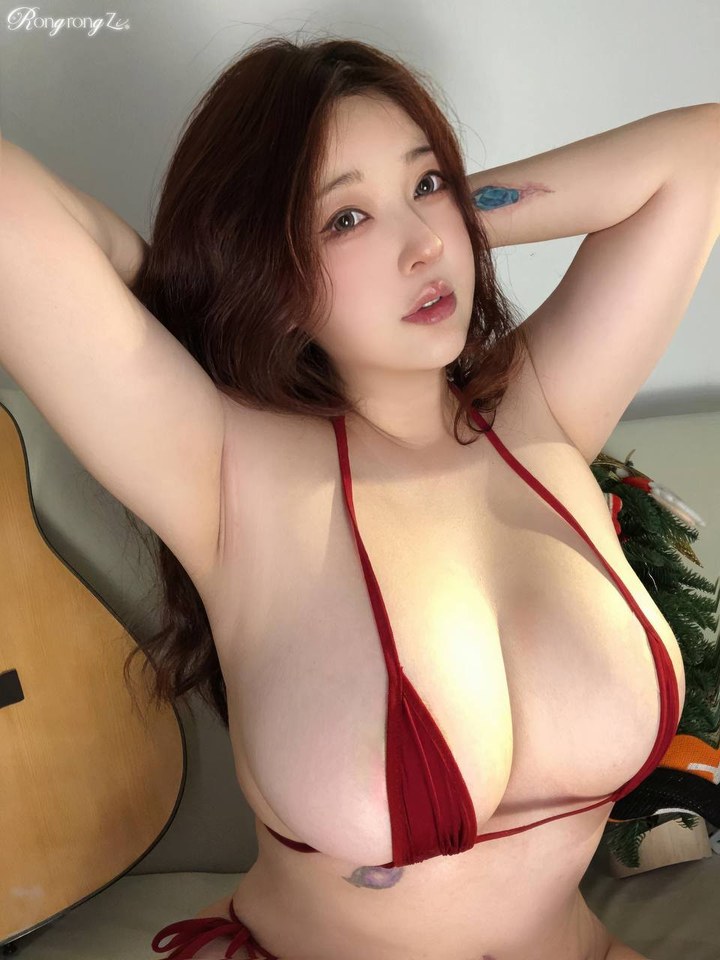
Emma Brooks, 22
Interior Stylist
Cozy stylist with wavy brown hair and red-ribbon moods — mirror selfies and living-room heat after sunset.
Start chatting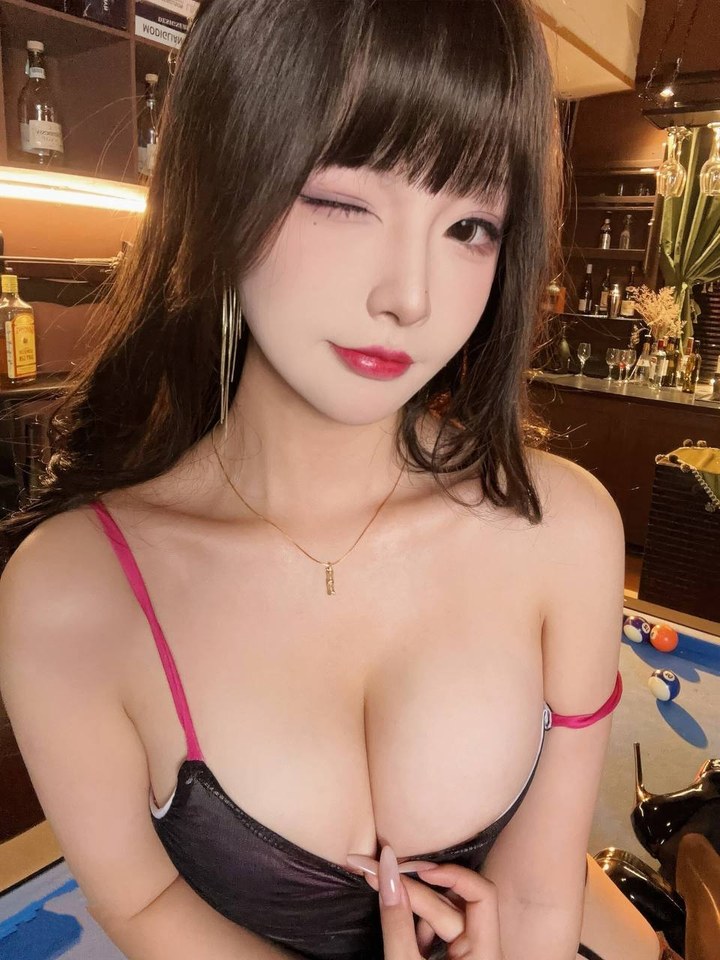
Jade Monroe, 26
Cocktail Bartender
After-hours bartender with pool-table charisma — stockings, dim lights, and a smirk that dares him to stay.
Start chatting
Scarlett Voss, 25
Luxury Car Vlogger
Luxury car vlogger with handcuff fantasies and white-lace nights — adrenaline and intimacy in one breath.
Start chattingThree delivery architectures
Companion platforms deliver images through distinct pipelines. The architecture determines consistency, spontaneity, and cost.
In-chat triggered media
The most common modern pattern keeps the user inside the conversation thread. A visual request or detected intent triggers image selection or generation. The result appears directly as a chat bubble, often with a short in-character caption. This preserves immersion because the photo feels like a spontaneous reply rather than a separate task.
AISoul’s publisher page says curated photos and clips are delivered inside companion chats. That establishes in-thread delivery, not that every request starts a new generation.
Separate gallery or generate tab
Users leave the main chat, open a dedicated studio or gallery section, enter a prompt, and later bring chosen images back into conversation. This offers more direct control over pose and style but reduces the feeling that the companion is “sending” the image herself.
Character-locked media library
The platform maintains a curated or constrained set of visuals tied to one specific companion. When a visual request arrives, the system can select from that library rather than starting from a blank slate. This approach prioritizes recognizable identity over unlimited novelty. AISoul’s publisher page describes curated media tied to each companion and discloses its characters as fictional AI personas.
Request-to-delivery pipeline
The following table shows the typical steps from user message to visible image. Exact implementation details remain vendor-specific and are not fully public.
| Step | What Happens | Common Variables | Observable Limitations |
|---|---|---|---|
| 1. User input | Message or explicit request | Text prompt, mood, scene description | Vague messages often stay text-only |
| 2. Intent detection | System classifies request as text, image, or video | Rule-based or model-based gating | Free-tier quotas or moderation can block |
| 3. Context assembly | Pulls companion identity and available chat context | Character description, recent messages | How much context is used varies by product |
| 4. Generation or selection | Model creates new image or picks from library | Seed, reference face, style filters | Face drift, framing errors, extra limbs |
| 5. Moderation & delivery | Safety check then in-chat delivery | 18+ filters, queue position | Requests can be refused without explanation |
| 6. Billing check | Deducts tokens/credits or counts against unlimited quota | Tier-dependent | Paid AISoul passes remove per-image counters |
Vendor documentation from Nomi, Kindroid, and SpicyChat confirms similar components while noting persistent issues with stubborn poses, framing, and occasional anatomical errors (checked 2026-09-04).
Failure map: why images disappoint
Common problems map to specific pipeline stages. Recognizing the failure type helps diagnose whether the issue is prompt-related, architectural, or quota-based.
- Identity drift: Face or body proportions change noticeably between requests. More common in isolated-generation pipelines.
- Framing & composition issues: Hands, limbs, or background elements appear distorted. Documented in official Nomi and Kindroid guides.
- Moderation blocks: Explicit or borderline requests are refused. Behavior differs between web and app versions (Kindroid docs).
- Queue or rate limits: Some products document queues, credit meters, or tier-specific media access; observe what appears in the current account.
- Credit exhaustion: Token-based platforms stop generating after free allowance. AISoul paid tiers (one-time passes) advertise no quantity cap on normal companion use.
Three-prompt consistency test protocol (no outcomes claimed):
1. Request a casual selfie in a neutral setting using the same companion.
2. Request the same companion in a different room or outfit, referencing the prior image’s general style.
3. Request a new expression or action while keeping core identity descriptors unchanged.
Compare facial landmarks, hair silhouette, and body proportions across the three results. Large deviations indicate the platform relies more on isolated generation than anchored identity. This protocol uses only observable outputs and does not guarantee results on any specific date or platform.
How intent gating shapes output
Platforms do not turn every message into media. Intent classification decides whether the reply contains text, an image, or a short clip.
Typical categories include:
- Small talk or emotional support → text only
- Direct visual requests (“send a selfie”, “show me what you’re wearing”) → photo
- Motion requests (“send a clip of you dancing”) → short video
AISoul’s public page says users can ask for a selfie, mood, or vibe and receive media from the companion’s album. Official SpicyChat documentation states that Conversation Images use the avatar, character description, and recent chat messages, with availability tied to subscription tier and character eligibility (checked 2026-09-04). These are separate vendor descriptions and do not establish identical underlying systems.
Photos versus short video clips
Some products use “video” to mean short clips or video selfies rather than live two-way calls. AISoul’s paid catalog lists unlimited AI-generated photos and short clips with no quantity cap; its publisher page describes them as curated media delivered in chat, not live webcam interaction.
Platform mechanisms (vendor statements)
- Nomi: Users can request contextual selfies. Official guide lists common limitations including stubborn poses, framing problems, and extra limbs (Nomi — Getting Started with Nomi Selfies, checked 2026-09-04).
- Kindroid: Supports prompted selfies, video selfies, custom avatars, avatar descriptions, image seeds, and different filtering between mobile apps and web (Kindroid — Selfies, video selfies, and avatars, checked 2026-09-04).
- SpicyChat: Conversation Images draw from avatar, character description, and recent messages. Availability depends on premium tier and character eligibility (SpicyChat — Premium Features, checked 2026-09-04).
- AISoul (publisher product): Paid one-time passes listed in the live catalog are 7-Day $4.99, 30-Day $8.99, 90-Day $19.99, and Annual $49.99 with no automatic renewal. Paid users receive unlimited AI-generated photos and short video clips in chat plus 18+ media unlock. All companion media is disclosed as AI-generated fiction (AISoul pricing page and about page, checked 2026-09-04).
These statements reflect vendor documentation at the checked date. Features, filters, and exact allowances can change.
Decision table: choosing a visual companion workflow
| Priority | Recommended Approach | Avoid If | Relevant Internal Resource |
|---|---|---|---|
| Identity consistency | Character-anchored library or strong reference system | You need completely new faces every time | AI image consistency in chat |
| Spontaneous in-thread delivery | In-chat triggered media | You prefer full prompt control in a separate tab | How to get AI girlfriend to send photos |
| Zero per-image cost | Unlimited paid tier (e.g. AISoul one-time passes) | You stay on free or token-metered plans | AI girlfriend with images |
| Strict SFW requirement | Avatar-based or text-first platforms | You want 18+ visual content | AI companion PWA vs app |
| Privacy caution | Platforms with clear AI-disclosure and no real-person claims | Sharing personal photos or expecting real reciprocity | Adult AI chat privacy checklist |
FAQ
Are AI girlfriend photos real people?
No. All images discussed on this page are AI-generated or selected from synthetic libraries. They are not photographs of real individuals. AISoul explicitly discloses all companion media as AI-generated fiction.
Why does the face change between images?
Face changes usually result from isolated generation without a strong visual anchor, prompt variation, model randomness, or moderation filters. Character-anchored systems reduce but do not eliminate this. Nomi’s official guide lists framing and pose stubbornness as common issues.
Does every request generate a new image?
No. A platform may select from an existing character library, generate a new asset, apply filters, or return text instead. The checked vendor pages do not support assuming that every visual request produces a newly generated image.
Why was my request blocked?
Common reasons include free-tier limits, moderation rules (especially for explicit content), rate limiting, queue delays, or character ineligibility for image features. Behavior can differ between web and app versions.
How do I test image costs without spending much?
Start on a short-duration paid pass if available, track how many visual requests occur in typical sessions, then compare against token-based alternatives. AISoul’s 7-Day $4.99 one-time pass (checked 2026-09-04 on live catalog) allows testing unlimited photo behavior without automatic renewal.
How this page was researched
This page compiles vendor documentation, product catalog statements, and publicly available help-center articles checked on 2026-09-04. No hands-on image benchmark or hidden-model inspection was performed. All claims are tied to the listed sources. Dynamic features were verified against official pages on the research date.
Sources consulted
- AISoul pricing and product catalog. https://www.aisoul.work/pricing.html (Publisher product statement checked against live page and data catalog on 2026-09-04.)
- AISoul publisher disclosure. https://www.aisoul.work/about.html (Editorial boundary checked 2026-09-04.)
- Nomi — Getting Started with Nomi Selfies. https://nomi.ai/nomi-knowledge/getting-started-nomi-selfies/ (Vendor guide checked 2026-09-04.)
- Kindroid — Selfies, video selfies, and avatars. https://kindroid.ai/v2/docs/selfies-video-selfies-avatars/ (Vendor documentation checked 2026-09-04.)
- SpicyChat — Premium Features. https://docs.spicychat.ai/product-guides/premium-features (Vendor documentation checked 2026-09-04.)
Honest limits
No image-model benchmark was performed. The page explains documented mechanisms and observable checks only. We cannot verify internal model weights, exact training data, long-term consistency guarantees, or future policy changes. Pricing and feature availability reflect the catalog on 2026-09-04 and may differ later. This site publishes AISoul; all statements about it are labeled as publisher information rather than independent third-party testing.
Related AISoul guides
Related AISoul product pages for this topic.