
Quick answer: “Sends pictures” can mean an on-demand generated image, a curated character image delivered in chat, a selfie tool, or a separate art/edit feature. Verify five things before paying: where the file appears, whether it is newly generated, whether the same character remains recognizable, whether each action has a separate cost, and whether every request guarantees a file. Product marketing alone does not answer those questions.
AI Girlfriend That Sends Pictures
AI Girlfriend That Sends Pictures. AISoul research for adults.
Meet the companions
Choose your AI girlfriend
Click the button to view the full character lineup.
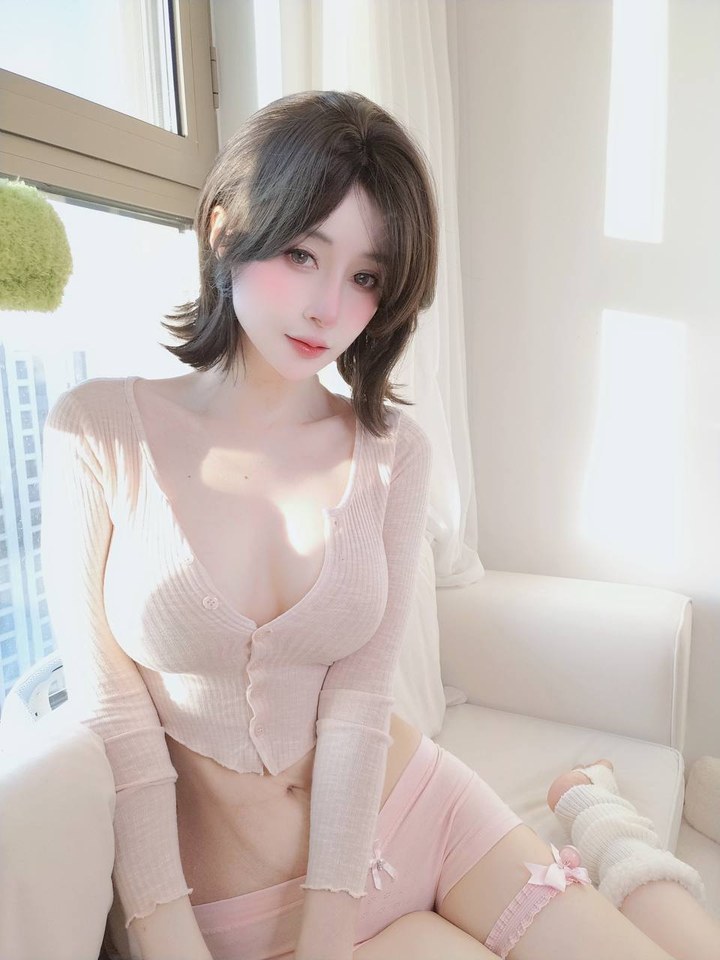
Hana Fujimoto, 23
Lifestyle Creator
Tokyo-born creator with a pixie cut and pastel-pink moods — cozy bedroom selfies and chat that starts shy then melts.
Start chatting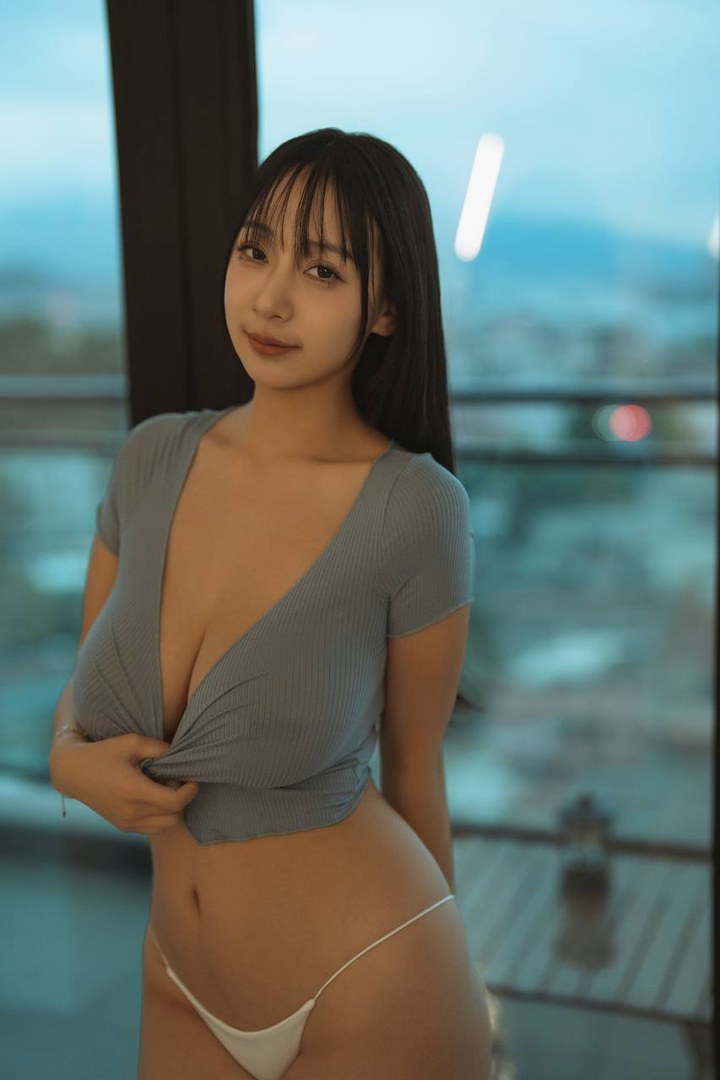
Elise Chen, 24
Pilates Instructor
Taipei-born pilates coach with long dark hair and window-light confidence — toned curves and DMs that go direct after class.
Start chatting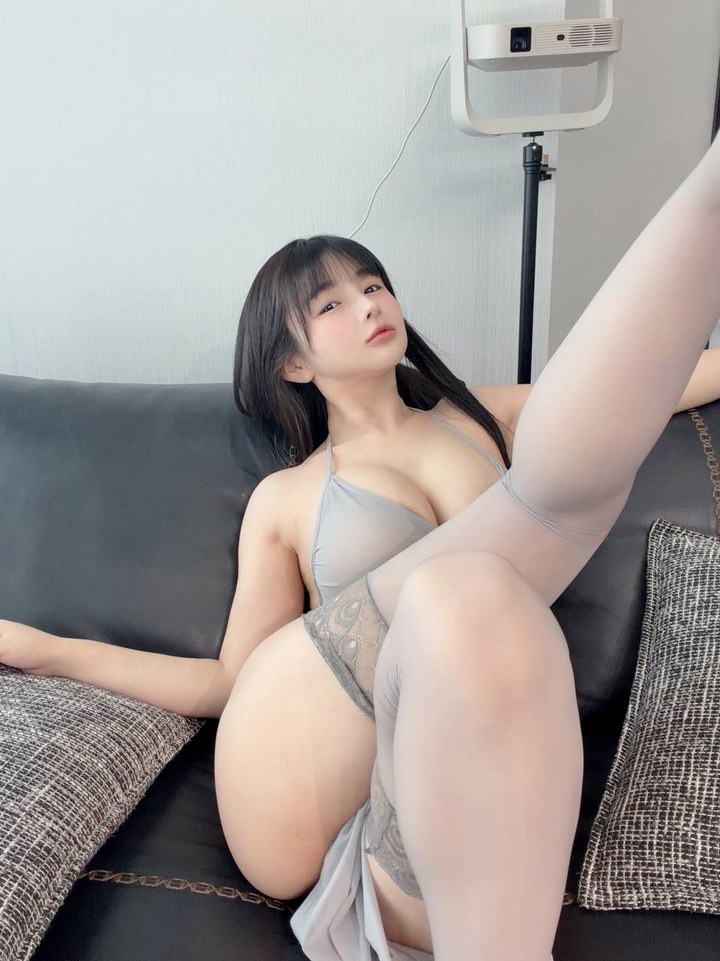
Sora Kim, 22
Fashion Blogger
Seoul fashion blogger who turns her living room into a private shoot — stockings, lace, and couch poses meant only for you.
Start chatting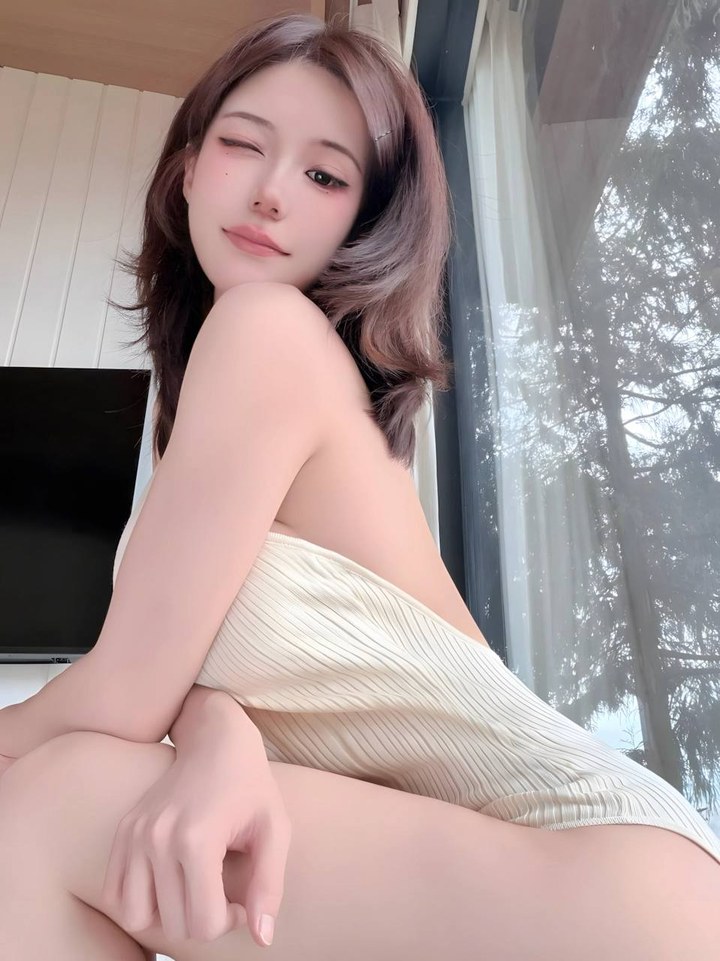
Rosie Hart, 24
Florist
Rose-obsessed florist who turns bath nights into rituals — petals, steam, and shy smiles that melt fast.
Start chatting
Chloe Mercer, 23
Hotel Concierge
Auburn-haired concierge with a mischievous maid fantasy — stockings, vinyl, and couch poses meant only for you.
Start chatting
Emma Brooks, 22
Interior Stylist
Cozy stylist with wavy brown hair and red-ribbon moods — mirror selfies and living-room heat after sunset.
Start chatting
Jade Monroe, 26
Cocktail Bartender
After-hours bartender with pool-table charisma — stockings, dim lights, and a smirk that dares him to stay.
Start chatting
Scarlett Voss, 25
Luxury Car Vlogger
Luxury car vlogger with handcuff fantasies and white-lace nights — adrenaline and intimacy in one breath.
Start chattingWhat “Sends Pictures” Actually Means in Practice
The phrase may refer to in-chat generation, a pre-made or curated gallery, a separate image tool, or media selected by the product in response to a conversation. Do not assume the system creates a new image from the current prompt unless the provider documents that behavior.
This in-thread delivery is what most people searching for the feature are looking for. A separate image tab or external generator breaks the conversational flow. Official documentation from multiple platforms shows that “pictures” can mean several different jobs: casual selfies, art-style renders, edited images, or avatar updates (Nomi Support, checked 2026-09-04).
Five-Part Media-Claim Verification Card
Use this diagnostic table to evaluate any AI girlfriend platform before committing time or money. Each row separates one claim from its practical meaning.
| Claim | What it usually means | What to verify before using | Source / Check date |
|---|---|---|---|
| “Sends pictures” | Delivers an image inside or beside a chat | Does it appear in-thread, and what triggered it? | Verify in the product flow |
| “Unlimited photos” | No hard cap on generated images during access | Is there still a fair-use or technical limit? | AISoul pricing page, 2026-09-04 |
| “Realistic selfies” | A product label for a selfie-style output | Does the provider document generation and limits? | Nomi support categories, 2026-09-04 |
| “Included in subscription” | Images do not consume separate tokens | Does the catalog explicitly say unlimited? | AISoul product catalog, 2026-09-04 |
| “Character consistency” | Model tries to reuse appearance settings | How often does visual drift occur across requests? | Editorial observation; no guarantee |
Label: Publisher observation — the table reflects official product statements and documented support categories only. No independent image-quality testing was performed.
How Image Generation Works Inside a Chat
Some products generate images from text descriptions; others may use a different or undisclosed media pipeline. Dream Companion's terms explicitly describe text-to-image generation and warn that accuracy or realism is not guaranteed, but that fact cannot be generalized to every AI companion (checked 2026-09-04).
Context memory has limits. A request like “show the red dress we discussed earlier” may pull recent details but can lose clothing choices mentioned many messages prior. Repeating key descriptors or keeping requests simple often improves relevance.
Decision Guide: Which Type of Picture Feature Do You Need?
Different user goals require different implementations. Use the table below to match your intended use case to the right feature set.
| Your main goal | Preferred feature | Typical billing pattern | Relevant internal link |
|---|---|---|---|
| Spontaneous chat with visuals | In-chat delivery and a clear trigger | Verify the current media meter | AI Girlfriend Guide |
| High visual consistency over long roleplay | Persistent appearance controls plus a repeatable test | Verify included uses and fair-use language | Best AI Companions |
| Occasional illustrative images | A documented image-generation tool | Verify any per-action cost | How AI girlfriend images work |
| Testing before payment | A usable preview that demonstrates the intended feature | Do not infer a free-image allowance | Free AI girlfriend chat |
Editorial inference: The first two rows align most closely with the core search intent for “ai girlfriend that sends pictures.” Unlimited in-chat generation removes metering friction during normal use.
Pricing Patterns and What Is Included
AISoul currently lists 7-Day $4.99, 30-Day $8.99, 90-Day $19.99, and Annual $49.99 access passes. The catalog labels them one-time payments with no automatic renewal (AISoul pricing and product catalog, checked 2026-09-04).
Paid passes include unlimited talk and no quantity cap on AI-generated photos and short video clips during the access window (AISoul pricing and product catalog, checked 2026-09-04). This is a publisher product statement and not an independent performance test.
Other platforms may use token systems, separate image purchases, or included allowances. The practical question is whether your expected image requests stay inside the documented allowance or trigger extra costs.
Testing Face Consistency and Relevance
To evaluate how well a companion maintains visual identity:
1. Start a normal conversation for 8–10 messages.
2. Request an image that references recent context (e.g., “send a picture of what you’re wearing after our last chat”).
3. Ask a follow-up question about the image in the same thread.
4. Later request another image of the same scene or outfit and compare visual continuity.
Publisher observation: Results vary by platform and model version. No cross-product standardized image set was generated for this page. Consistency is not guaranteed by any official source reviewed.
Internal Links to Related Research
- AI Girlfriend Guide: How to Choose and What to Expect
- Best AI Companions for Long Conversations
- Understanding AI Image Generation Limits and Costs
FAQ
Which AI girlfriend sends pictures inside chat?
An AI girlfriend sends pictures inside chat when the image appears directly in the private conversation thread rather than requiring a separate generator tab. Delivery method and whether images share the same usage quota as text messages are the two most important details to confirm.
Are the pictures generated or pre-made?
Dream Companion's terms describe images generated from text and warn that accuracy or realism is not guaranteed. Other products may generate, curate, edit, or select media differently; verify the named provider's documentation rather than assuming all systems work alike.
Does unlimited chat include images?
On AISoul paid passes, the catalog states there is no quantity cap on AI-generated photos and short video clips during the access window. Other services may treat images as a separate meter even if text chat is unlimited (AISoul pricing page, checked 2026-09-04).
How can I test face consistency?
Maintain a single conversation for at least 8–10 turns, request an image that references prior details, then request a second image of the same scene later in the thread. Compare facial features, clothing, lighting, and proportions. Record what you observe without generalizing one test to every model.
Can an AI image resemble a real person?
An output may resemble a real person even when that was not the user's intention. This page cannot authenticate a file, identify training data, or prove consent or licensing from visual inspection. Do not use companion media to impersonate or harm a real person.
How this page was researched
This page was updated on 2026-09-04 using official product catalogs, published terms of service, and support documentation. We reviewed live pages from AISoul, Dream Companion, and Nomi. No hands-on image generation tests, user vignettes, or performance benchmarks were conducted for this revision. All material facts are linked to their sources below. Unknowns (such as exact visual consistency across every possible request) are left unlabeled as guarantees.
Sources consulted
- AISoul pricing and product catalog. https://www.aisoul.work/pricing.html (Checked 2026-09-04)
- AISoul publisher disclosure. https://www.aisoul.work/research/methodology.html (Checked 2026-09-04)
- Dream Companion Terms of Use. https://www.mydreamcompanion.com/terms-of-service/ (Checked 2026-09-04)
- Nomi Support. https://nomi.ai/support/ (Checked 2026-09-04)
- AISoul GSC query snapshot (internal reference only; not used as product evidence)
AISoul publisher disclosure: AISoul is the product published by this site. All comparisons and statements about AISoul features are clearly labeled as publisher product statements. They are not presented as independent testing. Readers should verify current details on the official pricing page before making any purchase.
Honest limits: No cross-product image set was generated. The page does not claim consistent identity, unique generation quality, or a fixed per-image cost unless an official source states it.
Related AISoul guides
Related AISoul product pages for this topic.