
Quick answer: A companion’s face can drift when an app creates each image without enough persistent identity conditioning, but not every app uses that pipeline. Text prompts and seeds may reproduce some traits under similar settings; they do not guarantee the same identity across new poses, outfits, or scenes. First compare stable anchors—face geometry, distinctive marks, age range, hair baseline, and body proportions—across several ordinary requests. Then check whether the provider documents fresh text-to-image generation, reference conditioning, a fine-tuned character model, or gallery matching. The remedy depends on that mechanism; a curated gallery may improve continuity but still does not guarantee an identical face.
AI Image Consistency in Chat: Why Her Face Keeps Changing
AI image consistency in chat depends on the media pipeline. Diagnose identity drift, score visual anchors, and learn what prompts and seeds cannot fix.
Meet the companions
Choose your AI girlfriend
Click the button to view the full character lineup.
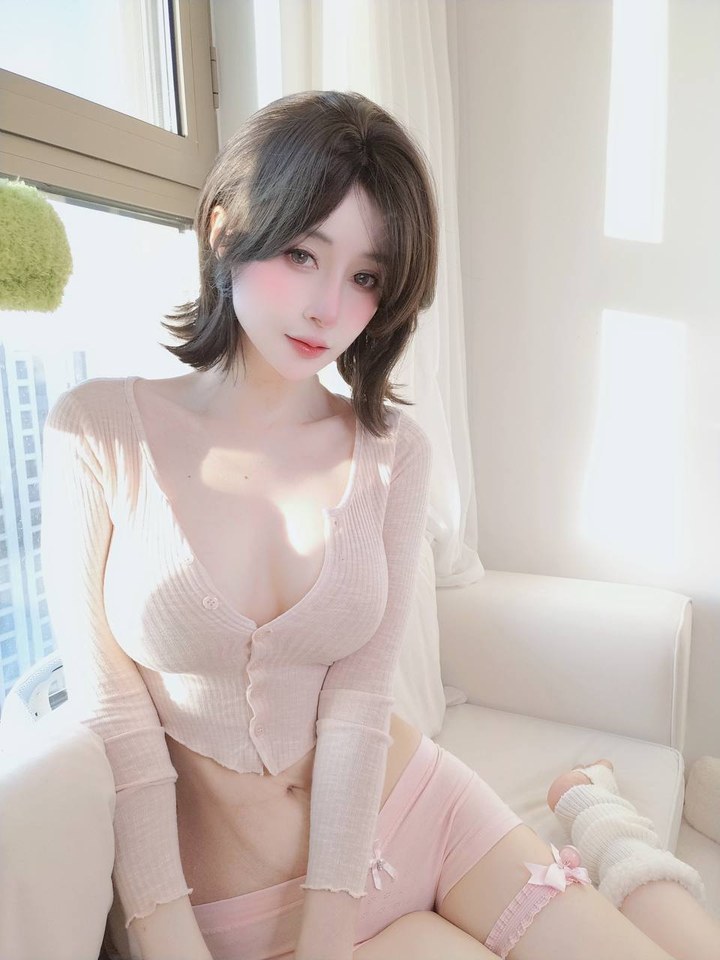
Hana Fujimoto, 23
Lifestyle Creator
Tokyo-born creator with a pixie cut and pastel-pink moods — cozy bedroom selfies and chat that starts shy then melts.
Start chatting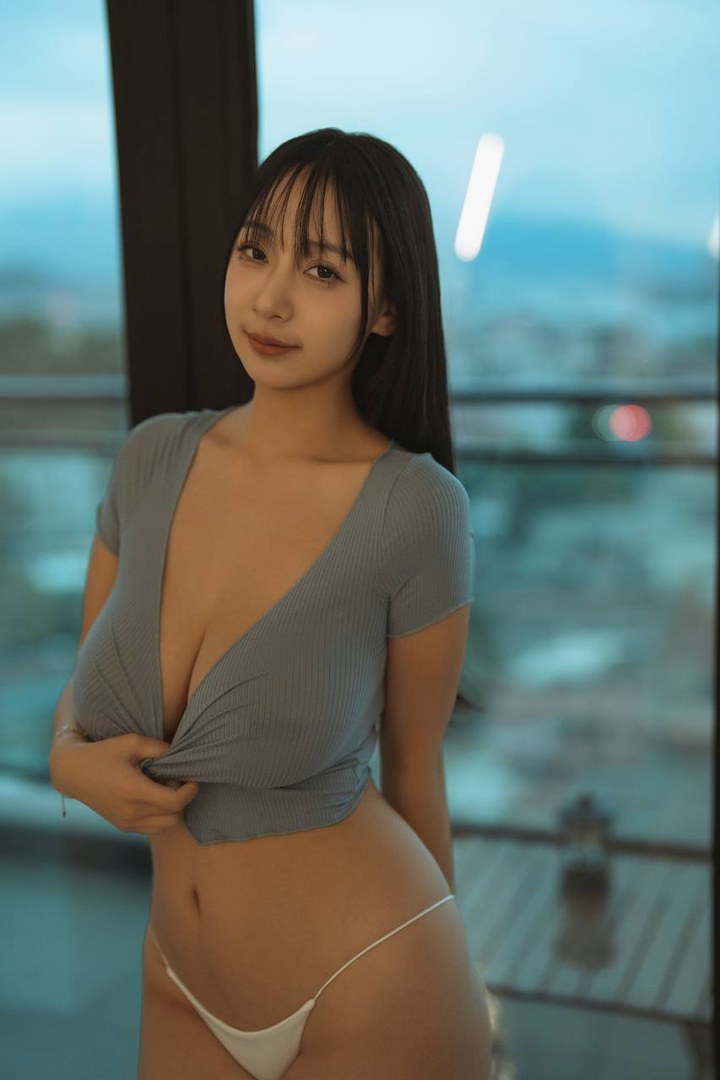
Elise Chen, 24
Pilates Instructor
Taipei-born pilates coach with long dark hair and window-light confidence — toned curves and DMs that go direct after class.
Start chatting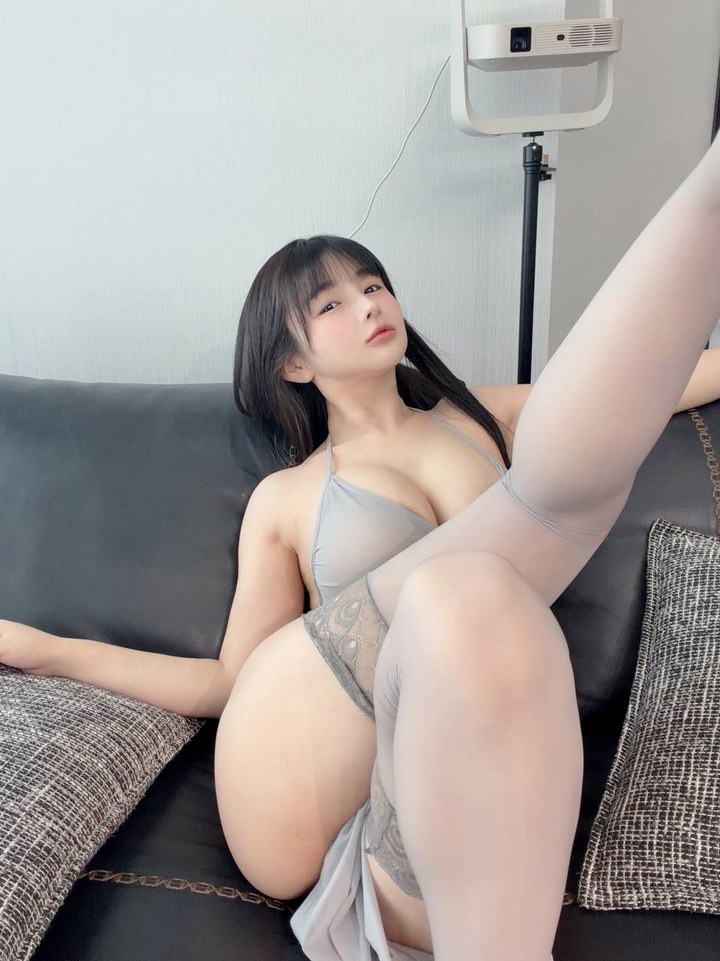
Sora Kim, 22
Fashion Blogger
Seoul fashion blogger who turns her living room into a private shoot — stockings, lace, and couch poses meant only for you.
Start chatting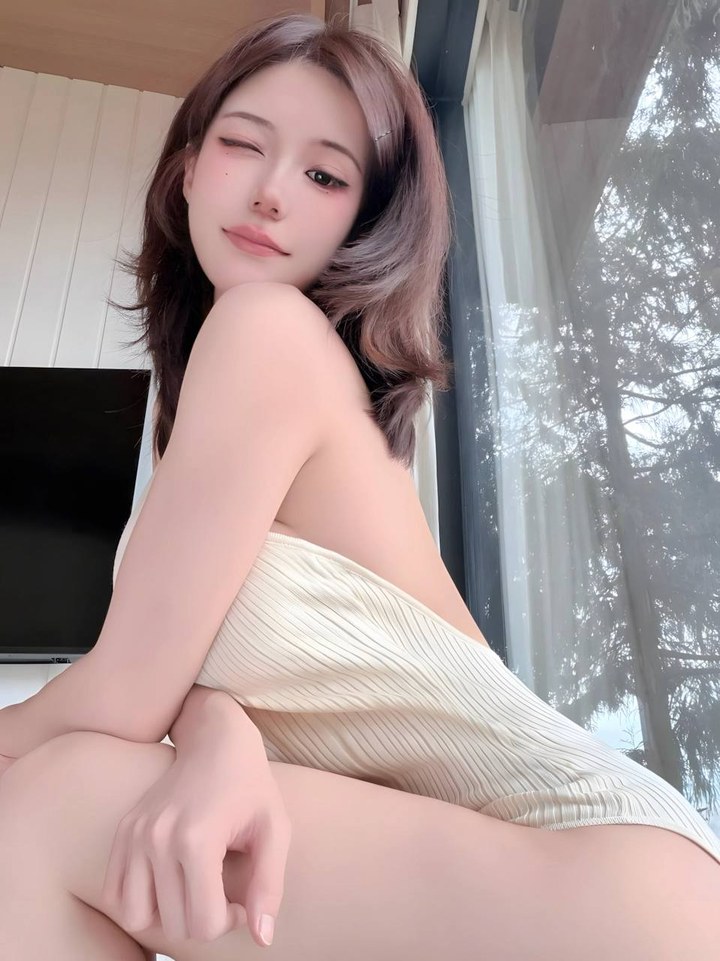
Rosie Hart, 24
Florist
Rose-obsessed florist who turns bath nights into rituals — petals, steam, and shy smiles that melt fast.
Start chatting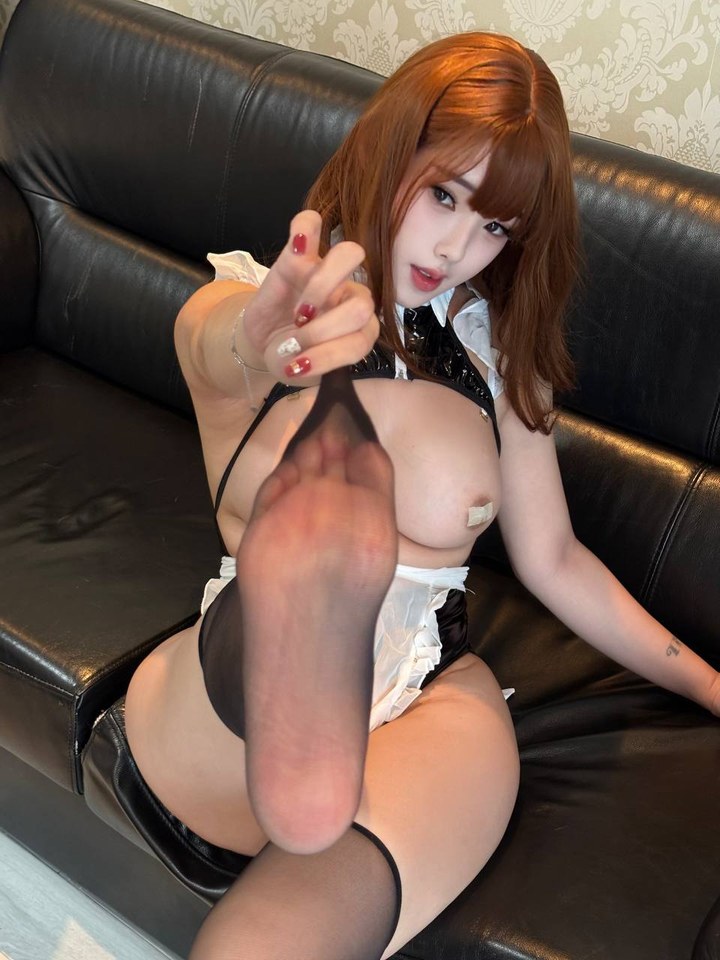
Chloe Mercer, 23
Hotel Concierge
Auburn-haired concierge with a mischievous maid fantasy — stockings, vinyl, and couch poses meant only for you.
Start chatting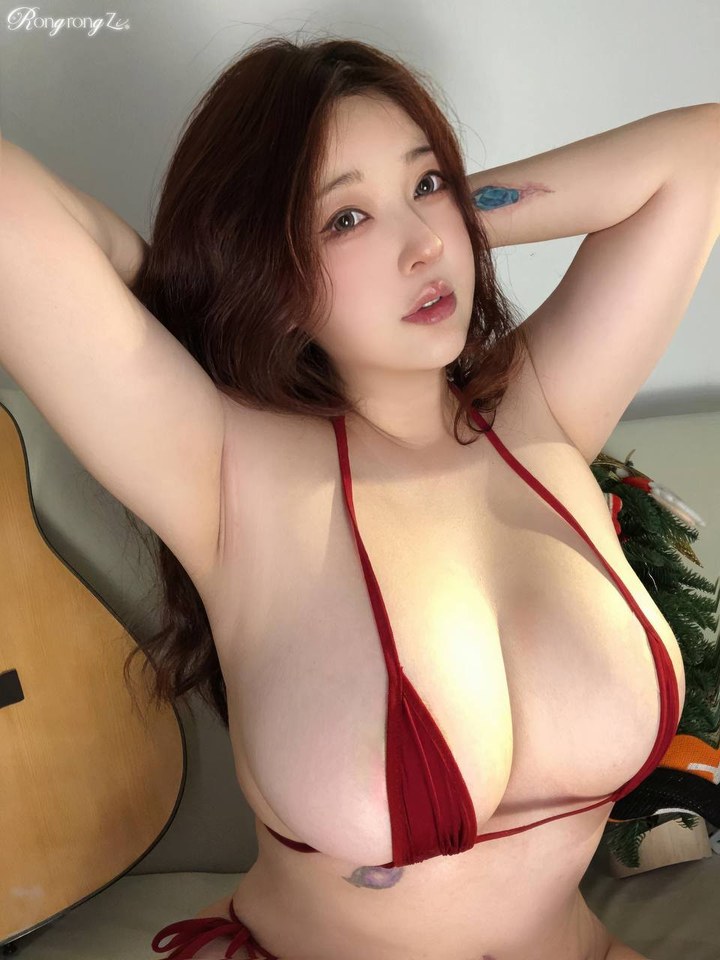
Emma Brooks, 22
Interior Stylist
Cozy stylist with wavy brown hair and red-ribbon moods — mirror selfies and living-room heat after sunset.
Start chatting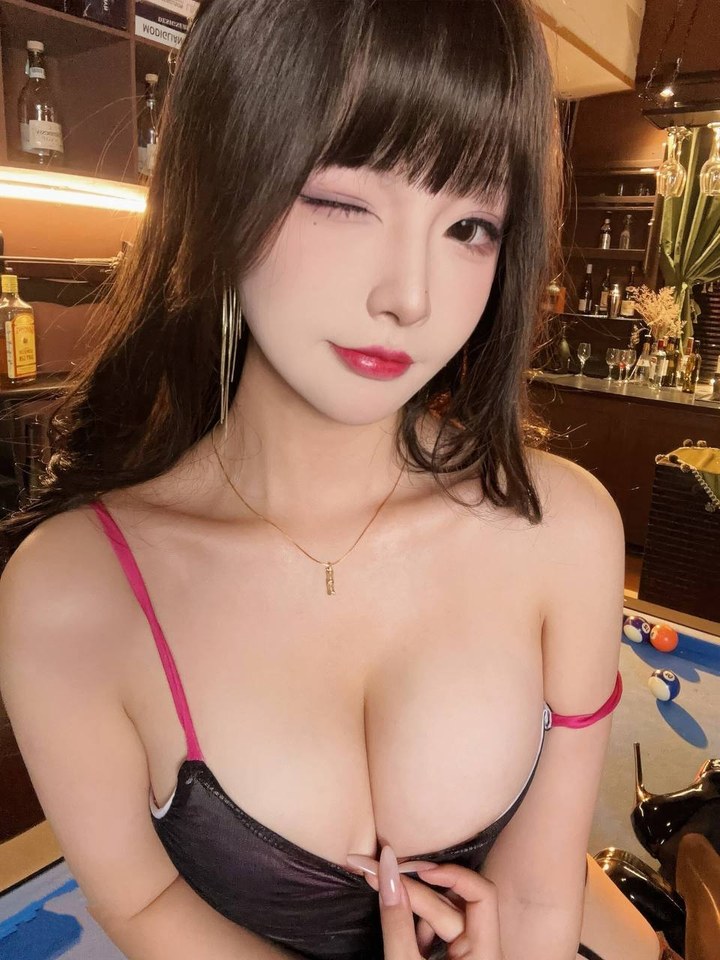
Jade Monroe, 26
Cocktail Bartender
After-hours bartender with pool-table charisma — stockings, dim lights, and a smirk that dares him to stay.
Start chatting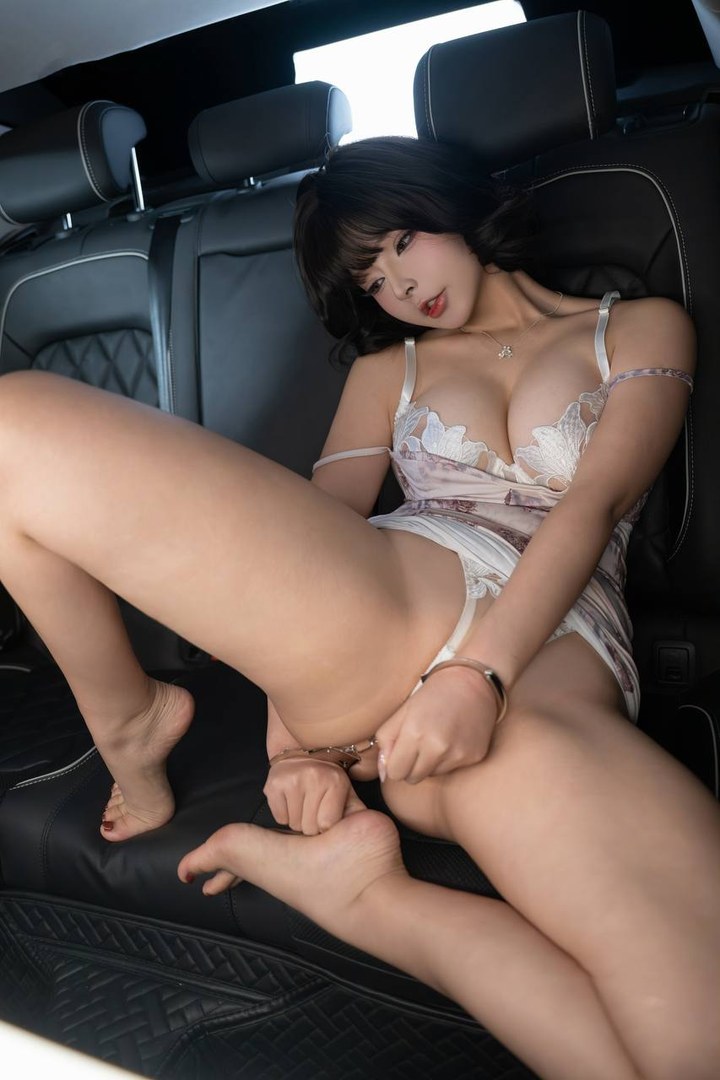
Scarlett Voss, 25
Luxury Car Vlogger
Luxury car vlogger with handcuff fantasies and white-lace nights — adrenaline and intimacy in one breath.
Start chattingPublisher disclosure: AISoul is made by this site’s publisher. AISoul-specific details below are vendor statements from the named official pages, not independent product-test results.
Why AI image consistency in chat breaks
Two useful pipeline models explain many consistency differences, although an app may combine them or use another undocumented approach.
Isolated-request generation sends a fresh text prompt to an image model for every photo. The model creates a plausible result based on the current description. The next request starts from scratch. Broad traits such as hair color or personality may persist in the text conversation, but there is no durable visual anchor tying one image to the next.
Character-anchored generation begins with a curated character look or reference image and treats that identity as a constraint when creating new scenes. Some drift can still occur under difficult conditions, but the system has a fixed starting point to preserve.
This distinction explains why two apps can both advertise AI photos yet deliver very different experiences. One functions as an image-request tool attached to chat. The other treats each image as part of an ongoing, recognizable character.
The difference is not marketing language. It determines whether a request like “send a photo from your walk” continues the same conversation or feels like activating a randomizer.
Observable product behavior (AISoul): AISoul chat media is matched from pre-generated character and shared galleries. It is not a live prompt-to-image renderer and does not guarantee a new unique file, exact outfit, pose, location, or identical face for every request (checked 2026-09-03). AISoul product behavior
For tasks focused on how images are technically created, see the dedicated guide: How AI girlfriend images work.
The fixed details versus the flexible details
A stable character requires certain visual elements to remain relatively constant while allowing natural variation in others.
| Keep relatively fixed | Change freely |
|---|---|
| Face shape and facial proportions | Expression |
| Eye color and general hair silhouette | Pose |
| Recognizable styling and overall look | Outfit |
| Core character identity | Location |
| Broad age presentation | Lighting and time of day |
| Personality-linked visual cues | Camera angle and crop |
Normal human appearance includes variation: the same person can look tired or polished, wear different clothes, or appear in new environments. Image generation reconstructs each scene rather than photographing a fixed subject, so moderate changes are expected.
Identity drift occurs when foundational features are replaced across ordinary requests — different face shape, eye placement, hairline, or apparent ethnicity — producing what feels like a different person rather than the same person in a new moment.
Diagnostic rule: Change only one variable at a time. Request the same companion in a new setting, then a different outfit, then a different expression. Repeated face changes show that the product does not meet your continuity requirement under those requests; they do not by themselves reveal which image pipeline the app uses.
Five-anchor consistency scorecard
Use this editorial worksheet to compare identity stability across images from the same character. It is a reader-created heuristic, not a validated biometric or image-quality test. Score each image against the first reference on a 0–2 scale (0 = major change, 1 = moderate variation, 2 = well preserved).
1. Face geometry — jawline, eye spacing, nose shape, overall proportions
2. Distinctive marks — moles, freckles, scars, tattoos, or unique features
3. Adult age range — apparent age consistency within an adults-only character set
4. Hair baseline — color, length, general silhouette and styling cues
5. Body proportions — height-to-frame ratio, shoulder width, build outline
Worksheet interpretation (out of 10):
- 8–10: Most chosen anchors stayed similar in this small sample
- 5–7: Mixed continuity; inspect which anchors changed
- Below 5: The sample does not meet a strict continuity preference
Apply the worksheet to at least three ordinary images while changing one requested variable at a time. The result describes that sample only; it does not identify the model, prove the cause, or create a cross-product quality ranking.
Pipeline decision tree: How the app actually builds images
Use these questions to form a hypothesis about the mechanism and set realistic expectations. Interface behavior alone cannot confirm a private implementation; provider documentation or technical disclosure is still required.
1. Does the app allow uploading or selecting a specific reference photo for the character?
- Yes → The app may use the reference as conditioning, as profile data, or only as a visual target. Ask how it is used.
- No → Continue.
2. Does the app maintain one fixed look per named companion across sessions?
- Yes → A curated gallery, reference-conditioned system, fine-tuned character, or hybrid could produce that behavior. The interface cannot distinguish them.
- No → Continue.
3. Are images generated from text prompts only, with no persistent visual memory?
- Yes → Independent text-to-image generation is one possible explanation; confirm it with the provider.
- No → Hybrid or unknown pipeline.
Research context (not app-specific claims):
- DreamBooth (2022) introduced subject-driven generation by fine-tuning a text-to-image model on a small set of subject images to preserve key features across new scenes. DreamBooth paper (checked 2026-09-03). This is a published research method.
- IP-Adapter (2023) describes a lightweight adapter that separates text and image cross-attention, allowing a reference image to guide generation alongside text prompts. IP-Adapter paper (checked 2026-09-03). Again, this describes a technique, not any particular product’s current implementation.
For questions about whether generated images depict real people, see: Are AI girlfriend photos real people?.
What to try before switching products
Before concluding an app does not meet your consistency needs, apply these controlled steps:
- Stop repeating a full physical description in every image request. When a character profile already exists, additional identity instructions can conflict with stored traits. Instead request scene changes only: “Same look as usual. Casual window-light selfie after coffee.”
- Use any available character profile, avatar editor, or memory/pin feature to lock appearance facts before generating new images.
- Avoid extreme test requests first (unusual angles, heavy stylization, major transformations, or rare lighting). These push any system past reliable limits.
- Apply the three-image comparison: request three ordinary images that differ by only one scene variable each. Evaluate them with the five-anchor worksheet. If faces change dramatically, you have evidence that the current experience misses your continuity requirement—not proof of the underlying architecture.
As a troubleshooting experiment, compare a minimal scene-only request with a detailed identity prompt. Conflicting cues may affect the result, but this page has not measured which prompt style performs better across products.
Official AISoul access and limits (checked 2026-09-03)
Free tier: 50 chat messages and 5 photos per Beijing-time calendar day, 2 lifetime clips, and 1 companion slot. No credit card required for signup.
Paid access: Standard fixed one-time purchases with no auto-renewal — 7-Day $4.99, 30-Day $8.99, 90-Day $19.99, Annual $49.99. The checked page also displayed a card-exclusive 2-Month $12.99 option. Paid plans list unlimited photos and videos for the active window.
AISoul is an account-based 18+ AI companion platform. Messages may be sent to external AI providers. The service is not end-to-end encrypted, and the public privacy policy does not name every provider or promise a fixed deletion timeline. AISoul pricing · AISoul Privacy Policy
For pricing or plan questions, visit the official pricing page directly rather than third-party roundups. Adjacent topics such as full platform comparisons or video call realism are covered on their respective dedicated pages.
FAQ
Why does the face change between photos?
This happens when the product generates each photo as an independent request without enough persistent visual conditioning. A different pipeline may use reference images, adapters, fine-tuning, or a curated gallery, so check product documentation before assigning the cause.
Is hair or outfit variation an identity failure?
Not necessarily. Hair silhouette and general styling are useful anchors, but outfits, exact lighting, pose, and minor grooming changes are expected areas of flexibility. Use the five-anchor scorecard to distinguish normal variation from core identity drift.
Does using the same seed lock identity?
A seed can help reproduce results under tightly repeated conditions and identical prompts. However, when prompts, poses, outfits, lighting, or scene details change, the same seed does not reliably preserve facial identity. It is not a substitute for a character reference or fine-tuned model.
How can I test consistency fairly?
Use the three-image controlled test: change only one scene variable between requests (e.g., background, then outfit, then expression) while keeping the character description minimal. Score the results with the five-anchor consistency scorecard. Avoid extreme transformations or multi-variable prompts for the test.
Does a gallery guarantee the same face?
A curated gallery or pre-generated character set improves the chance of visual continuity compared to pure text generation. However, even gallery-based systems can show variation depending on how the selection and conditioning pipeline is implemented. Test with ordinary requests rather than assuming perfection.
What is the difference between normal scene variation and identity drift?
Normal variation changes flexible elements (pose, outfit, lighting, expression) while preserving fixed anchors (face geometry, eye color, distinctive marks, age range, body proportions). Identity drift replaces the core facial structure or apparent person between images.
How this page was researched
This page aggregates publicly documented research methods, observable product behavior from official AISoul pages, and structured diagnostic frameworks. No controlled cross-product image tests were performed. All dynamic facts were checked against live pages on 2026-09-03.
Sources consulted
- AISoul pricing page (https://www.aisoul.work/pricing.html) — access tiers and one-time purchase details, checked 2026-09-03
- AISoul product behavior page (https://www.aisoul.work/ai-girlfriend-with-images) — media generation mechanism, checked 2026-09-03
- AISoul Privacy Policy (https://www.aisoul.work/privacy.html) — account-based nature and external provider note, checked 2026-09-03
- DreamBooth: Fine Tuning Text-to-Image Diffusion Models for Subject-Driven Generation, arXiv:2208.12242 (https://arxiv.org/abs/2208.12242) — research method only, checked 2026-09-03
- IP-Adapter: Text Compatible Image Prompt Adapter for Text-to-Image Diffusion Models, arXiv:2308.06721 (https://arxiv.org/abs/2308.06721) — research method only, checked 2026-09-03
Limitations: Research methods explain possible technical approaches but do not confirm the exact implementation, training status, or output quality of any specific companion app. Prices and features can change; always verify on official pages. This is not legal, financial, or security advice.
AISoul publisher disclosure: This page is published by the team behind AISoul.work. Where AISoul product facts appear they are drawn directly from official pages checked on the date noted. Editorial frameworks (scorecard, decision tree, diagnostic rules) are general tools created for reader use.
Related AISoul guides
Related AISoul product pages for this topic.