
Quick answer: Adult AI chat expectations for photos and video should be simple: you are receiving AI-generated media, not selfies from a real person or live video calls. Some companion apps keep the experience text-only, while others add generated images or short clips through a paid plan. Before paying, check whether “send a photo” means an actual file or only roleplay text, whether media uses separate credits, and whether the service explains its privacy and adult-content rules.
Adult AI Chat Expectations for Photos and Video
Set realistic adult AI chat expectations for photos and video: distinguish gallery matching, generation, roleplay text and live calls before paying.
Meet the companions
Choose your AI girlfriend
Click the button to view the full character lineup.

Hana Fujimoto, 23
Lifestyle Creator
Tokyo-born creator with a pixie cut and pastel-pink moods — cozy bedroom selfies and chat that starts shy then melts.
Start chatting
Elise Chen, 24
Pilates Instructor
Taipei-born pilates coach with long dark hair and window-light confidence — toned curves and DMs that go direct after class.
Start chatting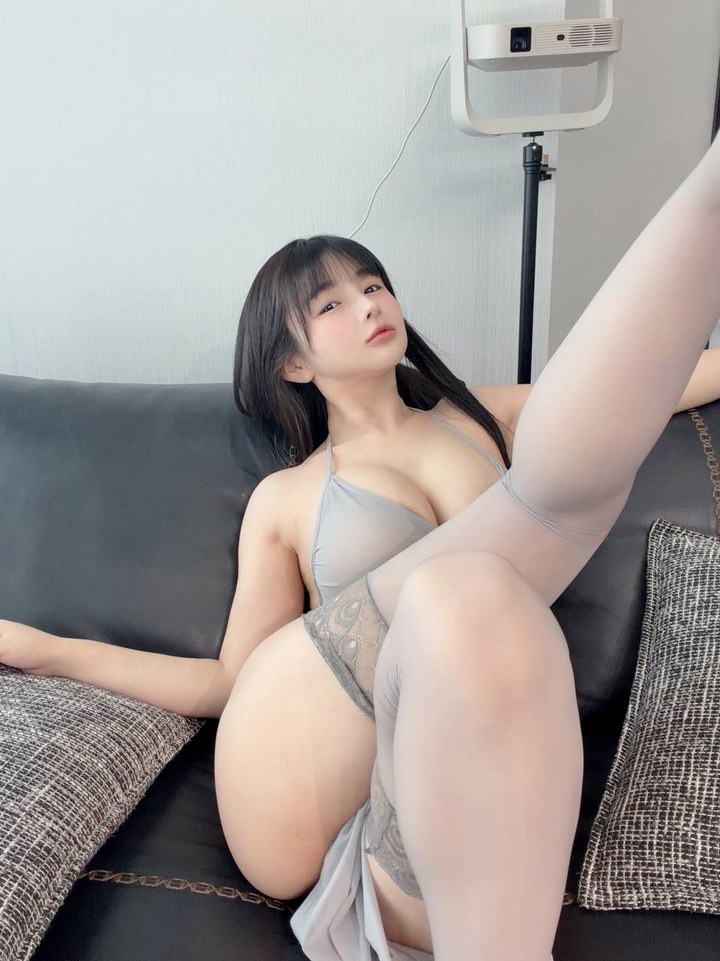
Sora Kim, 22
Fashion Blogger
Seoul fashion blogger who turns her living room into a private shoot — stockings, lace, and couch poses meant only for you.
Start chatting
Rosie Hart, 24
Florist
Rose-obsessed florist who turns bath nights into rituals — petals, steam, and shy smiles that melt fast.
Start chatting
Chloe Mercer, 23
Hotel Concierge
Auburn-haired concierge with a mischievous maid fantasy — stockings, vinyl, and couch poses meant only for you.
Start chatting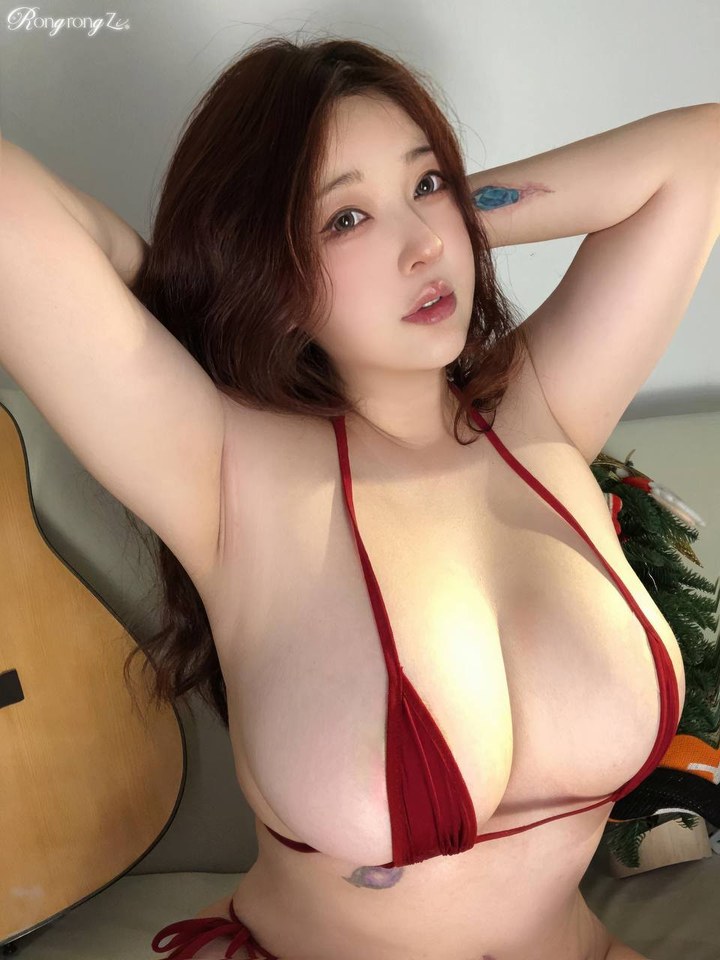
Emma Brooks, 22
Interior Stylist
Cozy stylist with wavy brown hair and red-ribbon moods — mirror selfies and living-room heat after sunset.
Start chatting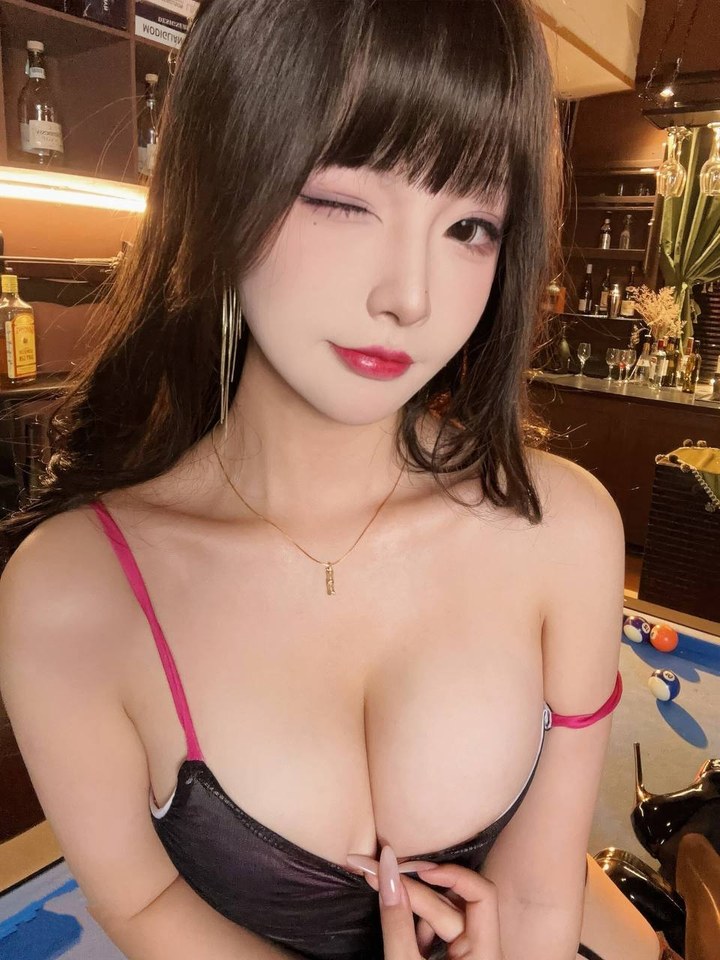
Jade Monroe, 26
Cocktail Bartender
After-hours bartender with pool-table charisma — stockings, dim lights, and a smirk that dares him to stay.
Start chatting
Scarlett Voss, 25
Luxury Car Vlogger
Luxury car vlogger with handcuff fantasies and white-lace nights — adrenaline and intimacy in one breath.
Start chattingAsk what file arrives, not whether the app says send
The single most practical rule when setting adult ai chat expectations photos video is to ignore narrative language and examine the actual asset delivered. When a companion says “here’s a photo I took for you,” the message alone tells you nothing. The only reliable signal is whether a JPEG, PNG, or MP4 file appears in the chat.
Four distinct delivery mechanisms may sit behind similar marketing language, and they are not interchangeable:
- Roleplay-only text: The character narrates a scene (“I’m wearing the black lace you like… sends photo”) but no media file is attached.
- Pre-generated gallery matching: The system selects from a fixed library of images or short clips previously created for that specific companion. Matching is based on request keywords and media metadata.
- On-demand generation: The platform creates a new image or clip from a text prompt. Availability, latency and metering depend on the product.
- Live human/video communication: A real person appears on camera or in a live call. This falls outside the adult AI chat category entirely.
AISoul, the publisher’s own adults-only browser companion product, operates exclusively on the second mechanism. It maintains one active fictional companion at a time. Users begin every conversation. The free daily allowance resets by Beijing calendar day and provides 50 messages plus 5 gallery photos, with 2 clear clips available across the entire lifetime of the free account. Paid access removes quantity caps on chat and gallery retrievals while the pass remains active, unlocks eligible 18+ media, but does not enable live prompt generation, live calls, or exact-scene fulfillment. Media is chosen from the pre-generated companion gallery using the request and any attached media description; the closest eligible match or a fallback may be returned. The accompanying reply must describe the actual media shown, never implying a real person produced it.
Follow the media request from message to reply
Trace every request through the full cycle: user prompt → system selection → returned asset → caption. A mismatch at any link breaks immersion and wastes time.
When you request a specific pose, outfit, or action, the system does not rewrite the companion’s appearance. It searches the existing gallery for the best semantic match. Exact face, outfit, pose, or action is not guaranteed. If the closest match is only loosely related, a fallback image may be sent instead. In that case the text reply must still describe only what is visible in the returned file.
This constraint produces a predictable pattern. A request for “red lingerie on the balcony at sunset” may return an indoor bedroom shot in black lace if that is the strongest match in the gallery. The caption should then read something like “Me relaxing in something dark and lacy” rather than forcing a description of red lingerie that does not exist in the image. The reply follows the asset, not the request. Treating the caption as optional or ornamental leads to repeated frustration.
The exactness triangle: identity, scene and speed
For AISoul's gallery mechanism, every media request can be judged on three separate axes: identity continuity, scene accuracy and response time. The product does not publish a guarantee for any of the three.
- Identity: Compare whether the returned file resembles the selected companion; exact visual continuity is not guaranteed.
- Scene: Clothing, location, pose, and action are drawn from what already exists in the library. Highly specific or novel combinations are unlikely to match perfectly.
- Speed: Gallery retrieval does not create a new file, but AISoul does not publish a universal delivery-time promise. On-demand generation is not offered by AISoul.
Understanding the triangle makes adult AI chat expectations for photos and video testable. Score the actual returned file separately on companion resemblance, scene fit and wait time. Do not convert one good result into a promise about the next request.
Diagnose a bad photo or clip before retrying
The four-mechanism comparison and mismatch diagnostic tree below turns vague disappointment into concrete action. Use it the moment a returned asset feels wrong.
Four-Mechanism Comparison
| Mechanism | What actually arrives | Interaction pattern | Exact match promised? | AISoul availability | Best for |
|---|---|---|---|---|---|
| Roleplay-only text | Only words, no file | Narrative only | Not applicable | Chat can respond without a file | Pure imagination |
| Gallery matching | Existing image or short clip | Retrieval from eligible items | No | AISoul's media mechanism | Fast-moving companion chat |
| On-demand generation | Newly generated image or clip | A generation request | Product-specific | Not offered by AISoul | Custom visual requests |
| Live human/video | Real-time video or call with a person | Reciprocal live session | Not an AI exactness claim | Not offered by AISoul | Human interaction |
Mismatch Diagnostic Tree
1. Request sent → No file arrives
Returned asset: Text description only.
Caption: Narrative roleplay.
Retry action: Confirm whether media is enabled on current plan. Switch to a gallery-supported product if images are required.
2. Request sent → File arrives but scene is unrelated
Returned asset: Gallery image whose metadata only loosely matches.
Caption: Describes actual visible content.
Retry action: Rephrase using keywords known to exist in the companion’s gallery (e.g., “bedroom,” “lingerie,” “smile”). Avoid novel combinations.
3. Request sent → File arrives but identity is off
Returned asset: Correct scene, noticeably different face or body.
Caption: Still describes the returned image.
Retry action: Treat exact visual continuity as unavailable. Decide whether the scene fit is still useful; a retry is another selection, not a promised correction.
4. Request sent → File arrives, caption mismatches visible content
Returned asset: Any media.
Caption: Describes something not shown.
Retry action: This is a product failure. Report via support. In AISoul the rule is strict: reply must follow actual content. Repeated violations indicate the companion is not functioning correctly.
Running the tree takes thirty seconds and prevents hours of circular prompting.
Price the media mechanism you will actually use
Pricing should be matched to the mechanism you will rely on, not to marketing language. AISoul’s published one-time passes (checked 2026-09-07) are:
- 7-Day Pass: $4.99
- 30-Day Pass: $8.99
- 90-Day Pass: $19.99
- Annual Pass: $49.99
None auto-renew. Payment method, tax, foreign exchange rates, and bank approval vary by user. The free tier supplies limited gallery photos and two lifetime clips. Paid access removes daily caps on eligible retrievals but remains gallery-based, not generative or live.
Choose a duration from the number of days you expect to use the product, not from an assumed image count. The annual option has the lowest listed cost per access day only if you actually use the longer period; the seven-day option limits commitment. AISoul does not charge per retrieval while paid access is active, but the gallery still contains a finite set of eligible files.
Always read the current pricing page, privacy policy, and terms before purchase. AISoul does not claim end-to-end encryption; external providers may process content. Conversations remain private from other users but exist within the platform’s systems.
Choose another category when you need a live person
When the desired experience crosses into live reaction, eye contact, or reciprocal human decision-making, adult AI chat is the wrong category. No amount of gallery images or short clips can substitute for a person who can respond spontaneously on camera.
Live video communication, camming platforms, or paid human companionship services address that need. They operate under entirely different expectations, pricing models, and consent frameworks. Mixing the two categories creates inevitable disappointment.
AISoul is an adults-only browser companion with one active fictional character at a time. It is designed for private, asynchronous text-plus-gallery-media interaction. It is not a replacement for human relationships, therapy, or live adult entertainment. The publisher, AISoul, discloses that this research page discusses its own product.
How does gallery matching actually work in adult AI chat?
Gallery matching selects the closest pre-generated image or short clip whose metadata aligns with the request. Exact replication of a novel pose or outfit is not possible because the library is finite. The text reply must describe only what the returned file actually shows.
What should I do when the photo caption does not match the image?
Treat it as a failure of the media mechanism. The correct behavior is for the caption to follow the visible content. If mismatches repeat, reduce specificity, try broader keywords, or contact support. Persistent caption errors indicate the companion is not adhering to its own rules.
Can I get truly custom adult photos on demand inside an AI chat?
AISoul does not offer on-demand prompt generation for adult media; its requests are routed to a pre-generated gallery. Other products use different mechanisms, so verify whether a claimed custom image is generated at request time, metered separately, and delivered in the same thread.
Why does the same request sometimes return different images?
The selector may have more than one eligible gallery item for a request. Repeating the same prompt is another selection attempt, not a guarantee of the same file or a closer scene. Judge the returned asset and caption each time.
How private are my media requests and received files?
Conversations and retrieved gallery media are not public to other users. However, AISoul does not claim end-to-end encryption. Review the privacy policy to understand data handling, retention, and any third-party processing. Never share identifying personal information assuming absolute confidentiality.
When does it make sense to upgrade from free to paid for media?
Upgrade when the daily free allowance of 5 gallery photos no longer meets your usage or when you want access to the full 18+ portion of the companion’s gallery. Paid passes remove quantity caps while active but still operate under the same gallery-matching rules and limitations.
Research method and direct sources
This page was built by mapping every media-related claim against four delivery mechanisms and checking AISoul’s documented product behavior as of 2026-09-07. We reviewed the wording on pricing, about, privacy and terms pages. The mismatch tree is an editorial diagnostic; it does not report a hands-on comparison or measured success rate.
For the narrower distinction between files and calls, see AI video clips versus video calls. Compare the underlying commercial offers on AI girlfriend with images and adult AI chat with video.
Primary sources
Limitations
Findings apply only to gallery-based adult AI companions. On-demand generation platforms or live services operate under different constraints and were deliberately excluded. All pricing and allowance figures are time-sensitive; re-check the linked pages before purchase. No user testing, surveys, or medical conclusions were performed or implied.
Update note
Last researched and pricing-checked on 2026-09-07. Product behavior, allowances, and pass prices can change; the diagnostic tree remains valid as long as the core gallery-matching mechanism is used.
Related AISoul guides
Related AISoul product pages for this topic.